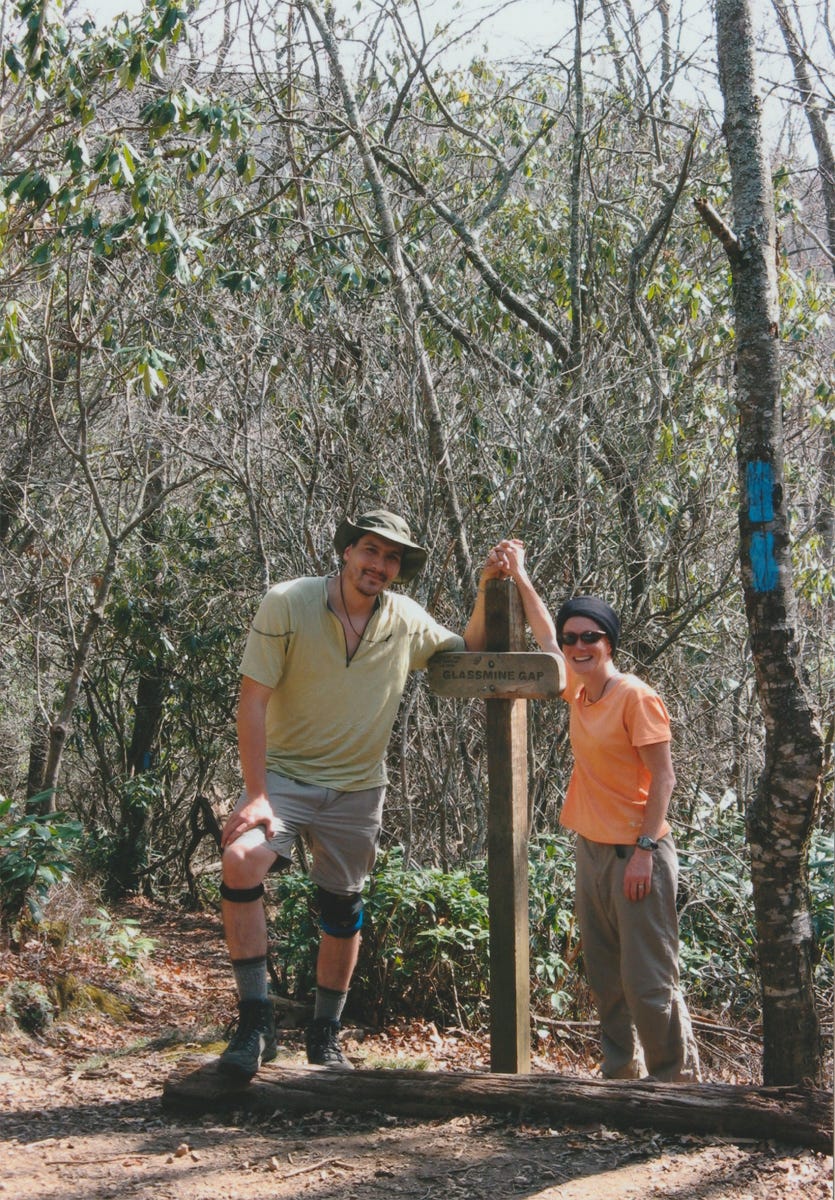

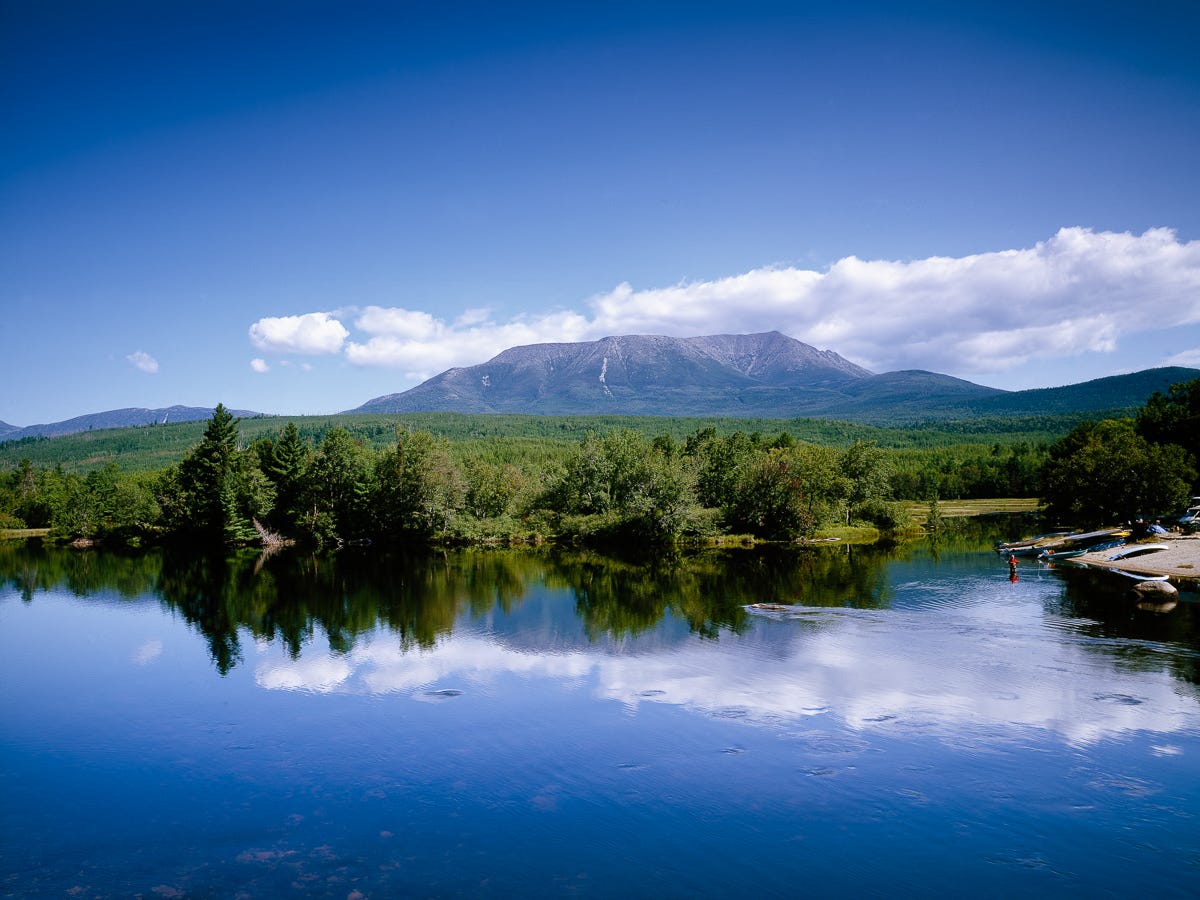
We hope you enjoy reading our final installment of our Appalachian Trail thru-hiking story written by Ron and Kelly Gaulden of Greenville, South Carolina. We’re concluding this series with their memories of lessons learned, gear recommendations, and trail tips. If you’ve hiked the Appalachian Trail, we’d love to hear about your experience. Email us at backroadportfolio@gmail.com to share it.


Committing to the Climb, Part 3
Story and photos by Ron and Kelly Gaulden
The Lessons
Hiking the Appalachian Trail helped us appreciate simplicity. When you just put one foot in front of the other, solve problems as they come, and witness how genuinely good people are, it is hard not to be happy.
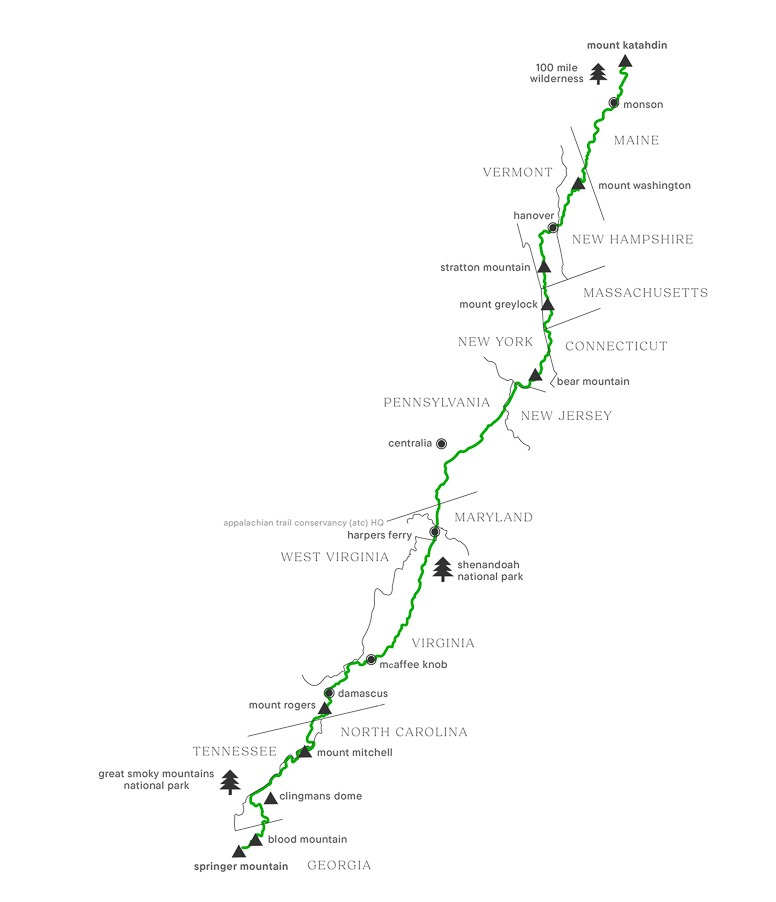
It also heightened our awareness of the importance of conservation. It really is amazing that the Appalachian Trail corridor runs through the most populated region of the entire country. There’s even a spot in Pawling, New York, where the trail crosses train tracks near the Dover Oak—the oldest tree on the Appalachian Trail1. Some hikers take a train to New York City. One moment, they’re enjoying the wilderness, then, less than two hours later, they’re eating lunch in Chinatown.
When so many people live within pretty close proximity to The trail from Georgia to Maine, it’s a great opportunity for people of all ages to get out there and learn about how important our trees are, how vital it is for us to keep our water sources clean, and how we can all be stewards of the natural world.
Also, even all these years later, we don’t take running water or hot showers for granted.
Kelly: Hiking together really was great because we balanced each other out well. We often joke that if Ron hiked solo, he’d still be having a beer at some town in Georgia. If I hiked solo, I’d wear myself out too soon by nervously trying to get to Baxter State Park before it closed for the cold weather season. I also learned that it’s good to have a general plan, but being able to pivot and adjust is necessary and very enjoyable.
Ron: I liked how everything was reduced to basic needs and it brought the best out of us as humans. Life on the trail cuts through the BS, and the societal influences of your identity start to disappear. People’s commonalities allow you to connect with each other on a much more genuine level. I also gained leg strength and lost arm strength!
The Supplies
As far as gear, we really used everything we brought. Here are some thoughts on the supplies we chose.
Tent: We decided on the Tarp Tent Double Rainbow tent by Henry Shires. We had to seam-seal it ourselves.
Backpacks: We used Granite Gear Vapor Latitude backpacks2 because we loved the side panel for easy access to supplies during lunch breaks or any other time we needed to access gear easily but weren’t at camp yet. Our base weight was 18 pounds. With water for the day and enough food to get us to our next resupply, our packs weighed 25 pounds (Kelly) and 28 pounds (Ron.) This was considered pretty light in 2007. Now, with all the improvements in the gear world, it’s possible that hikers have lighter packs without going ultra-light.
Hiking poles: Hiking poles helped immensely on the downhills, especially later on in the hike when our knees were sore. Kelly splurged for the carbon fiber poles—safer in lightning situations since carbon fiber is significantly less electrically conductive than aluminum.
Hiking boots: Ron: I went through two pairs of boots. My first pair of boots delaminated in Virginia, so I switched from boots to Montrail trail runners, which I liked a lot.
Clothing: Splurging on good rain gear is definitely worth it. Merino wool is pretty awesome for base layers. We had sock liners, three pairs of socks (two to switch back and forth and one sacred pair for town visits), pants, two shirts, a fleece layer, hats, rain pants, a rain jacket, and a pack cover for when it rained and to protect the pack against brush in tight parts of the trail. We also had gaiters to keep dirt and moisture out of our boots. In the early months when it was still cold, we had down jackets, down pants, and down booties. Also, we treated ourselves to “Buffs” in Virginia, which are like tube socks for your head that can be worn as a bandana, head covering, or neck covering.
Water: Even though we used a water filter, we packed iodine tablets just in case. That was very useful in one section of North Carolina because the filter froze when the temperature went down to single digits.
Miscellaneous: We had head lamps, waterproof stuff sacks, a food bag, and rope to hang the bag at night (away from bears), a Swiss army knife, Montbell down sleeping bags, sleeping pads, gloves, a ditty bag (with toothbrush, toothpaste, and biodegradable soap), titanium pots, an MSR pocket rocket stove, and long-handled titanium spoons (easier for the times we ate food out of bags).
Kelly’s most useful gear: Down jacket, down pants, a waterproof journal, and a pencil.
Ron’s most useful gear: Hiking poles and a Smartwool beanie hat.