


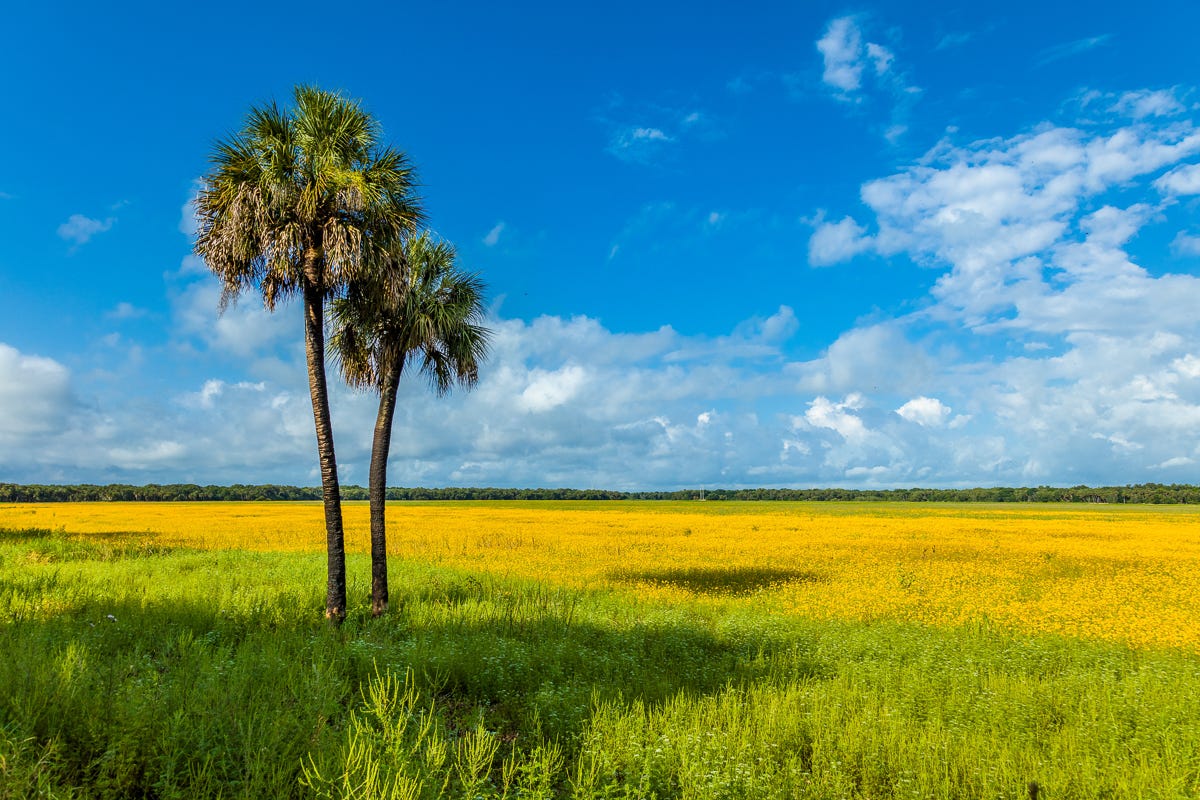
We’re heading southbound to the Sunshine State this week, with stops at Little Talbot Island State Park in Jacksonville, Castillo de San Marcos in St. Augustine, and Myakka River State Park in Sarasota. We also spotlight the first documented Spanish explorer to discover Florida.
Welcome new subscribers! This week only, we’ve removed the paywall so you can see a full example of the kind of content we offer each Thursday. Typically, we also include a link to a paywalled feature, which upgraded subscribers receive in a second email. If you like what you see here, please consider upgrading.

Little Talbot Island State Park
Jacksonville, Florida
This undeveloped barrier island near Jacksonville offers over 5 miles of pristine white-sand beaches, ancient dunes, and diverse ecosystems. One of the few remaining untouched islands in Northeast Florida, Little Talbot Island State Park provides a peaceful escape with rolling surf, maritime hammocks, and salt marshes. Visitors enjoy hiking the park’s scenic 4-mile Dune Ridge Trail, along with beachcombing, surfing, fishing, kayaking along Myrtle Creek bluffs, birdwatching, and camping beneath live oaks.
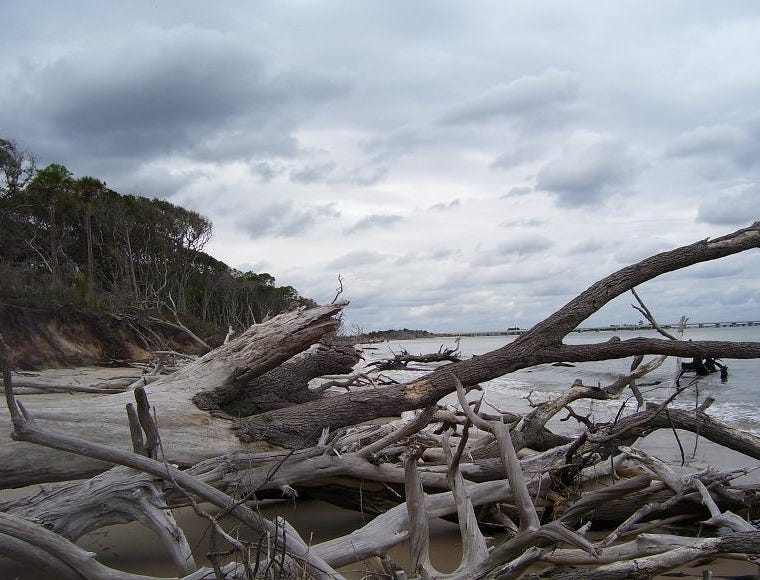
Unique hidden treasures include dramatic sun-bleached cedar and palm trunks scattered along the shoreline like natural sculptures, vibrant sea oats and wildflowers on the dunes, and a rich refuge for migratory shorebirds and nesting wildlife. The park’s wild, rugged coastline feels like stepping back in time to Florida’s earliest natural landscapes.

Ponce de León Claims Florida
April 1513, near St. Augustine, Florida
While searching for the legendary Fountain of Youth, Spanish explorer Juan Ponce de León sighted Florida’s east coast in late March and landed near the area between St. Augustine and Ponte Vedra Beach sometime around April 3, 1513. Since he arrived during the Easter season, he named it Pascua Florida, which means “Flowery Easter” or “Festival of Flowers,” and claimed the land for Spain, marking the first documented European contact with mainland Florida. Encounters with indigenous Calusa and Timucua peoples followed, initiating Spanish exploration, missions, and colonization efforts that helped shape Florida’s early history.

Castillo de San Marcos National Monument
St. Augustine, Florida
This historic site preserves the oldest masonry fortification in the continental United States. Constructed by the Spanish between 1672 and 1695 using coquina stone—a unique shell-based limestone—the imposing fortress defended Florida and the Atlantic trade routes for over 450 years. Multiple flags have flown over it: Spanish, British, Confederate, and American. It served as a military post, prison, and symbol of resilience through sieges, wars, and cultural intersections involving Native Americans, Europeans, and Africans.
Visitors can explore the fort’s thick coquina walls, cannon platforms, powder magazine, and breathtaking views of Matanzas Bay. The park also interprets stories of soldiers, prisoners, and early American history.
Secret Passageway: Look for a small, inconspicuous postern gate on the landward side of the fort, identifiable by its distinctive funnel-shaped keystone above the doorway. This discreet passage allowed defenders to slip out undetected for resupply, reconnaissance, or surprise attacks, while remaining largely hidden from enemies.
Myakka River State Park
Sarasota, Florida
Myakka River State Park, located east of Sarasota, Florida, is one of the state’s oldest and largest parks, spanning over 37,000 acres of wild, unspoiled wilderness. The majestic Myakka River—Florida’s first designated wild and scenic river—winds through vast dry prairies, wetlands, hammocks, and pinelands, offering a glimpse of old Florida as seen by early Native Americans and Spanish explorers.
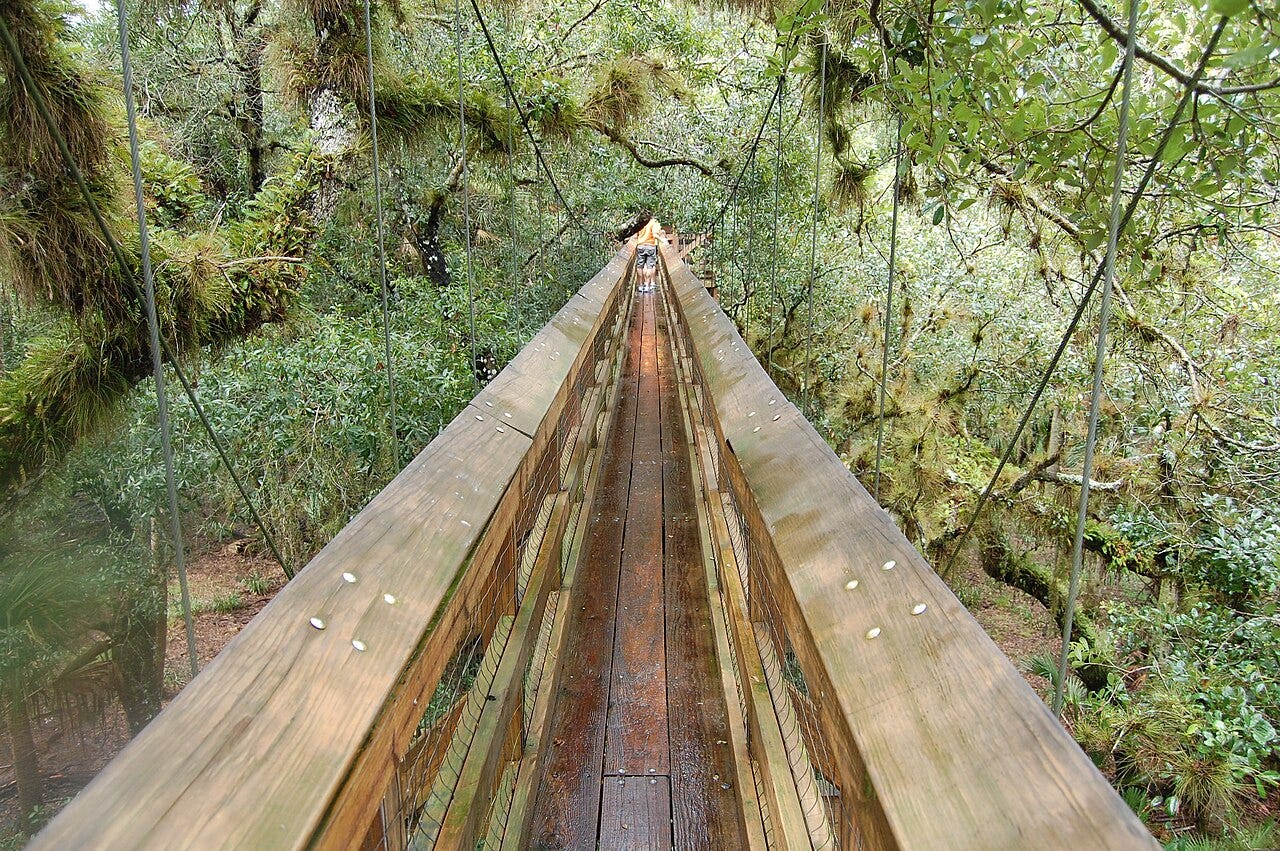
Visitors enjoy hiking, biking, canoeing, kayaking, and wildlife viewing, with abundant alligators, birds, and other native species. The Canopy Walkway is the first public treetop trail in North America and rises through the forest to offer breathtaking elevated views.
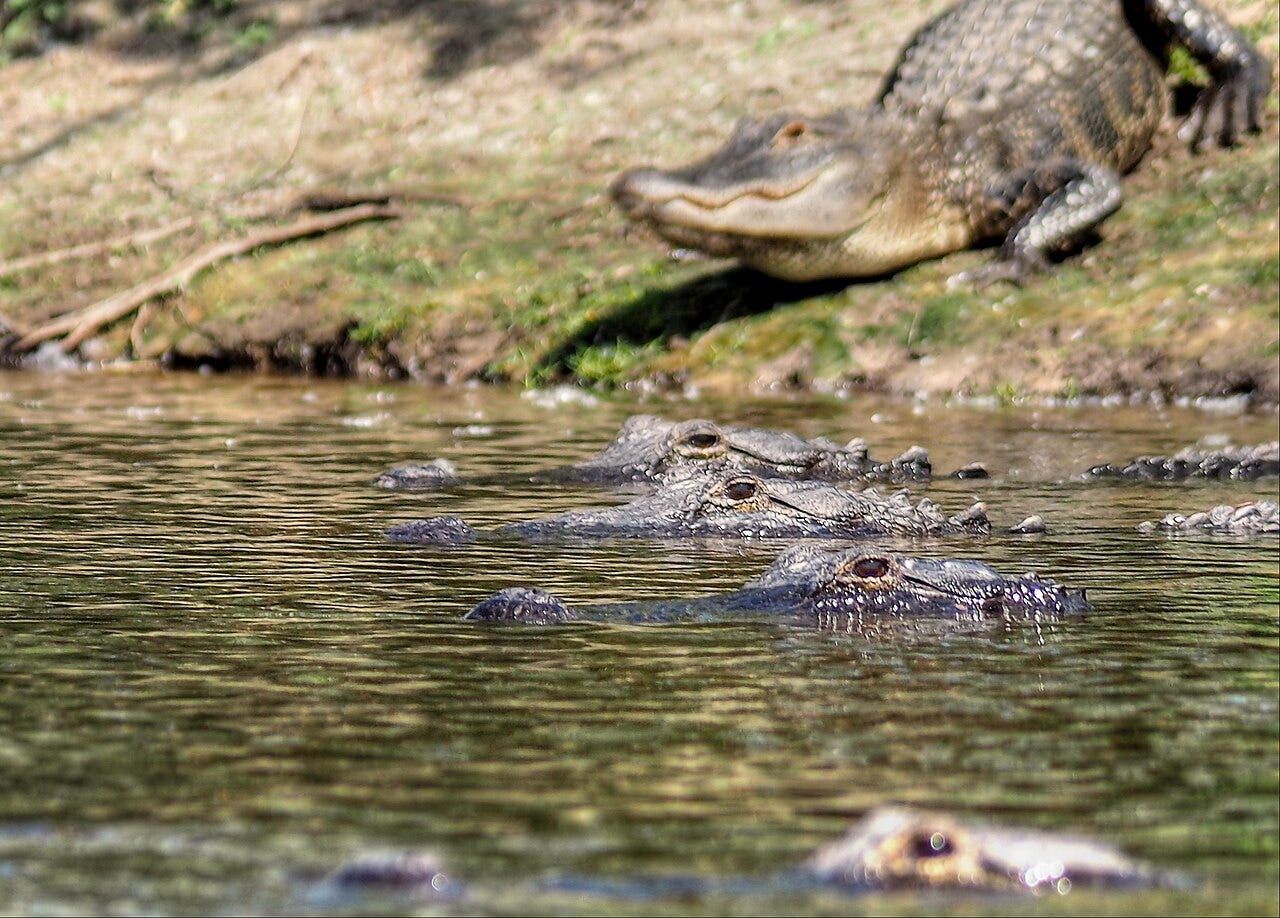
Hidden Treasure: The massive Deep Hole is a 300-foot-wide, 130-foot-deep sinkhole in Lower Myakka Lake that attracts hundreds of alligators during the dry season.
Thanks for reading, and remember to always … take the long way home.
