


Place attachment—the emotional connection between people and place that shapes how they think, feel, and act.
Story by Dr. Katherine Loflin
Photos by Jennifer Linney
For nearly two decades, my work has centered on one deceptively simple question: Why do people love where they live—and why does that love matter?
What I’ve learned: Our relationship with place determines far more than we realize. When we feel that we “fit” where we live, we don’t just survive—we thrive.
Across countries, cultures, and community sizes, I’ve consistently seen the same pattern. When people feel emotionally connected to their place, local economies strengthen, resilience grows, public health improves, and people invest their time, talent, and resources into the future of their community.
What I’ve learned through my research on communities around the world is that this love isn’t sentimental or accidental. It’s measurable. Predictable. Powerful.
I call this bond place attachment—the emotional connection between people and place that shapes how they think, feel, and act. Any community can cultivate it. But time and again, I’ve observed that small and rural communities possess natural advantages that make attachment easier to grow and sustain.
The Place Attachment Model
Through my national research with the Soul of the Community project and my subsequent global work, I developed a practical framework communities can use intentionally. The model identifies four core ingredients that consistently predict attachment:
Social offerings
Aesthetics
Welcomeness
Place identity
Social offerings, aesthetics, and welcomeness are all expressed through place identity.
The initial research was clear: Place attachment comes when residents highly rate the social offerings, aesthetics, and welcomeness of their community.
However, different places manifest social offerings in different ways. New York City’s social offerings are very different from those of Beaufort, North Carolina—and with good reason. What matters isn’t scale or flashiness—it’s the authenticity for that place, and reaching its residents in such a way that they experience the manifestation of that authenticity.
Why Small and Rural Places Have an Edge
In large cities, connection often requires programming and planning. In small communities, it often happens organically. As a result, you hear people in small towns describe their place in terms of a critical component of social life: the civility and closeness of the town’s people, which creates the social offering of connectivity, which humans crave. This helps build the love of place.
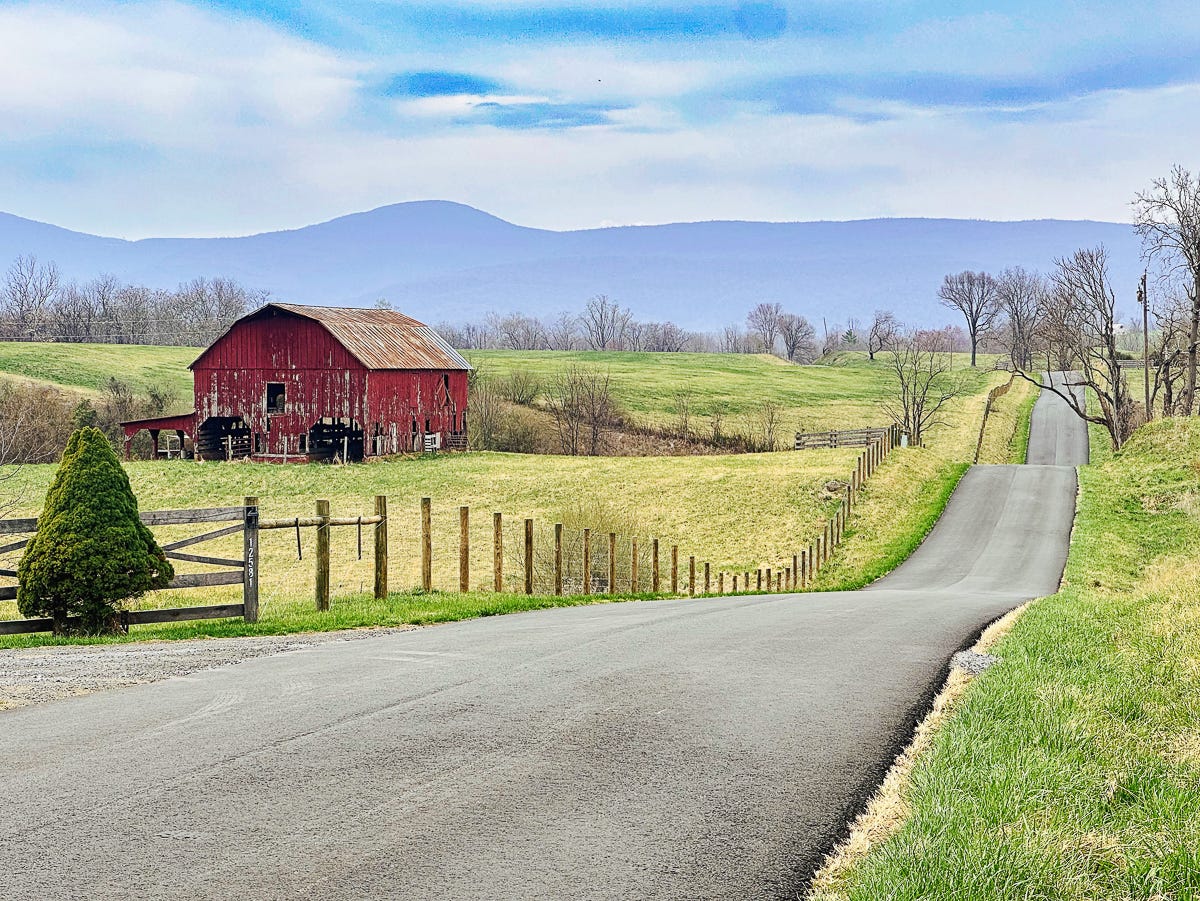
Next, the aesthetics of the environment and landscape in rural towns is often quite beautiful to behold—and the first and most consistent message a place sends about itself. A small town’s natural beauty is baked into its narrative and a key source of pride and love for its residents.
These two combine to create a sense of belonging, a welcomeness, that just feels right. There is a sense of community—of being in this together—that many humans also crave. They feel welcome in their place and believe others feel the same, which forges a common bond.
Identity is the Anchor
Where small and rural communities truly shine is in the concept of identity.
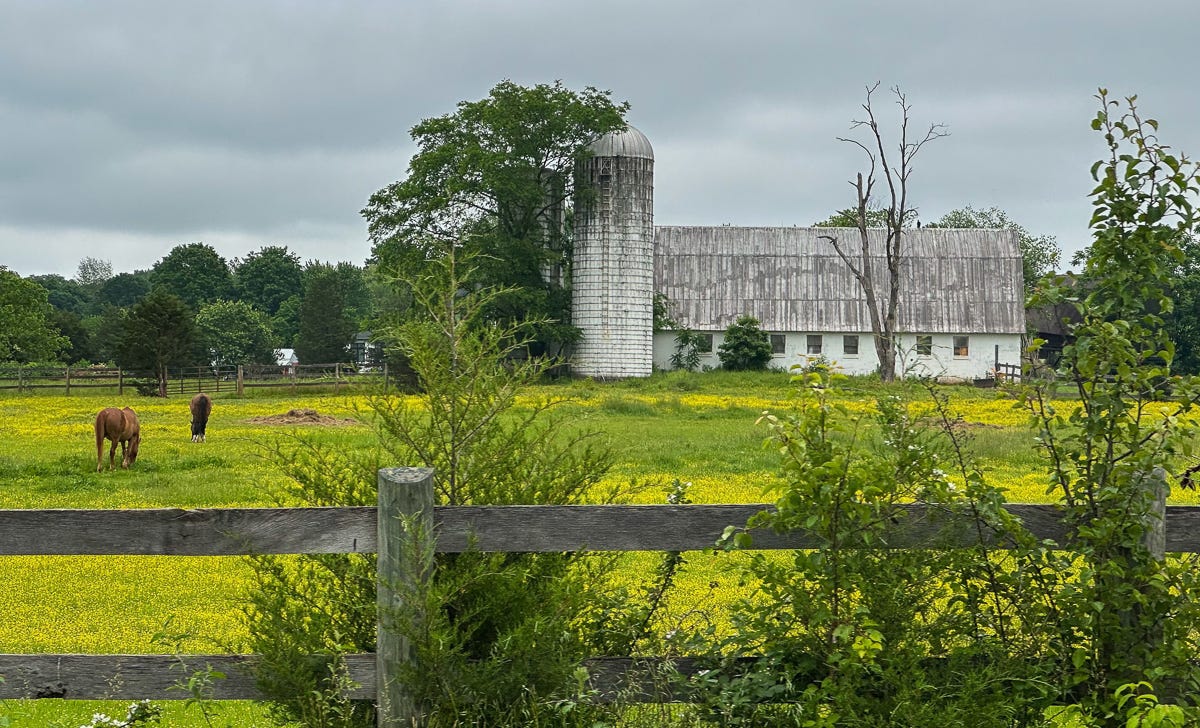
There’s often a shared and understood narrative about the place people call home. They know and share their town’s local history. Landmarks, which can include historic farms, feed stores, homes, and churches, carry meaning. Families who have lived there often span generations.
Their stories carry memories. The memories build identity. Identity shared through social offerings, aesthetics, and welcomeness build the attachment that makes others want to become a part of that story, too.
The Tourism Advantage
This attachment formula doesn’t only apply to residents. It’s equally powerful for visitors. One of the most effective tools I teach in tourism is the place narrative strategy—using storytelling to help guests quickly form emotional bonds to the place.
Today’s travelers aren’t looking for generic attractions. They want experiences that feel local, participatory, and meaningful: heritage walks, farm dinners, maker markets, oral histories, history productions, story-based tours.
People don’t attach to statistics and timelines. They attach to authentic stories and experiences.
Visitors might forget your population count. But they’ll remember discovering an arrowhead in a farm field, hearing local folklore told by the town founder’s descendant, or learning how the town became the Gourd Capital of the World.
Small and rural communities hold a remarkable advantage here. Their stories are accessible, human, and authentic—exactly what visitors crave. Done well, tourism simply becomes attachment-building for newcomers.
From Attachment to Action
Place attachment isn’t just a warm, fuzzy outcome. It drives results that communities care deeply about.