


This is the first of a five-part series on the covert Southern missions that helped birth America’s freedom. We start with the Southern intelligence web. Each week, we’ll add a new section.
Revolutionary Secrets, Part 1
By Elizabeth Poland Shugg
We Americans often celebrate our hard-won independence from Britain through a familiar set of images: Washington crossing the Delaware, Continental and British army battles, and clandestine Northern spy rings.
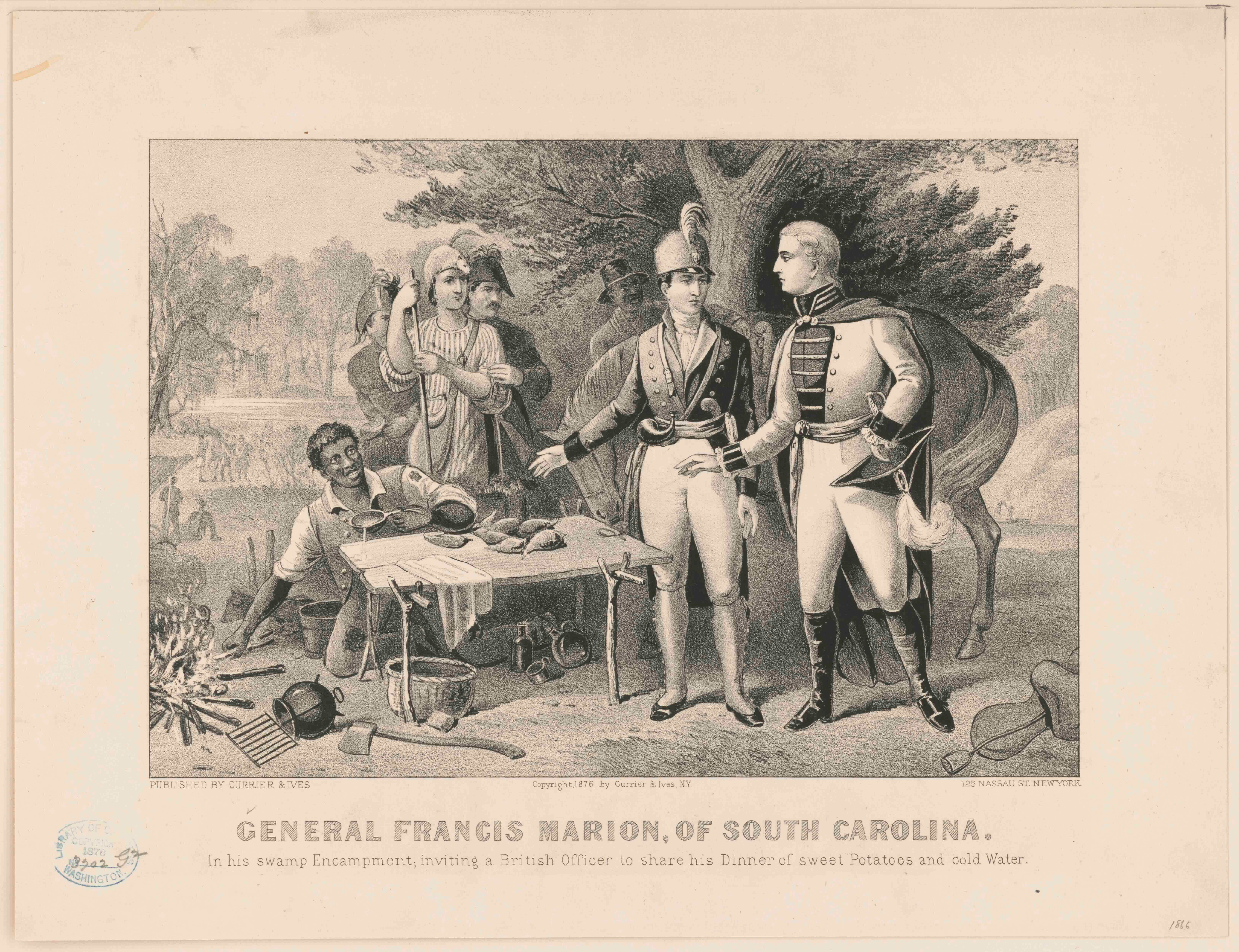
The South’s role in the war, however, unfolded in a far less orderly way. Across Georgia, the Carolinas, Virginia, and beyond, a shifting landscape of local intelligence networks, civilian participation, enslaved resistance, global alliances, and hidden supply chains contributed to the Patriots’ victory. What emerged was not a single war, but multiple conflicts that played out concurrently.
Stories from the Southern campaign don’t often make it into the overall narrative, so we’re throwing a spotlight on the lesser-known people, actions, and events that helped make the Revolution possible.
The Southern Intelligence Web
During the Revolutionary War, Northern Patriots relied on structured espionage strategies through systems like the Culper Spy Ring, directed by Gen. George Washington and Lt. Col. Benjamin Tallmadge. Down South, however, intelligence moved through informal, human networks embedded in daily life.
