
We all suffer from selective memory. But cherished recollections help us make sense of our lives, pass on grains of wisdom, and affirm that our life matters in some way.
We Southerners turn every decent memory into a blockbuster and every hardship into a footnote—yet those small, unvarnished truths stick with us longest.
For me, it’s 1980s Georgia soil under my bare feet as I scurry down the path to my grandparents’ creek. The taste of Southern-fried chicken, sweet tea, and coconut cake at a family gathering. The smell of oranges in my Christmas stocking and the pride I felt pinning a track medal on my letter jacket. Later, my wedding day and the birth of my children …
We all suffer from selective memory. But cherished recollections help us make sense of our lives, pass on grains of wisdom, and affirm that our life matters in some way. The memories we hold onto are worth sharing—and reason enough to start writing our memoirs.
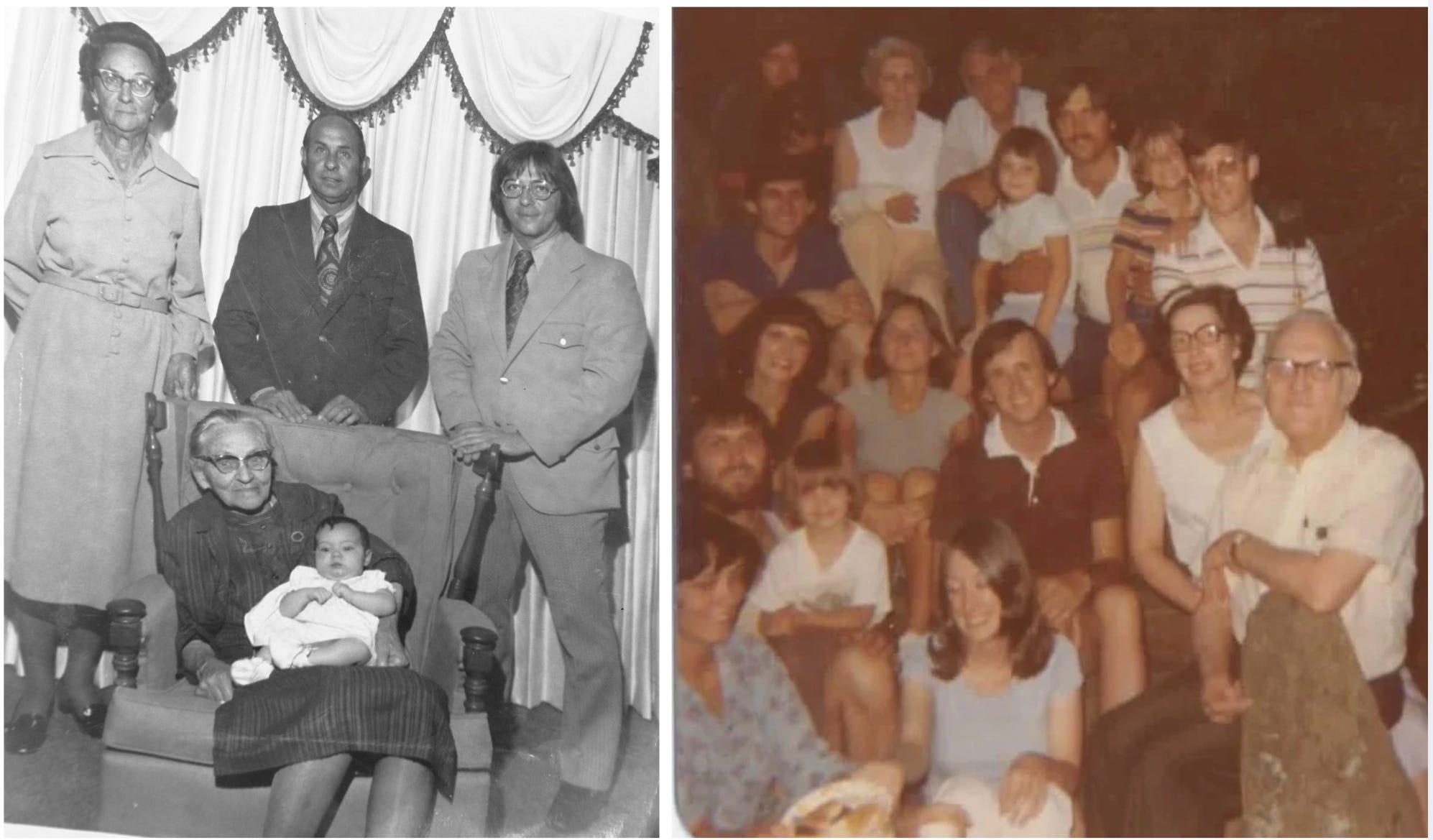
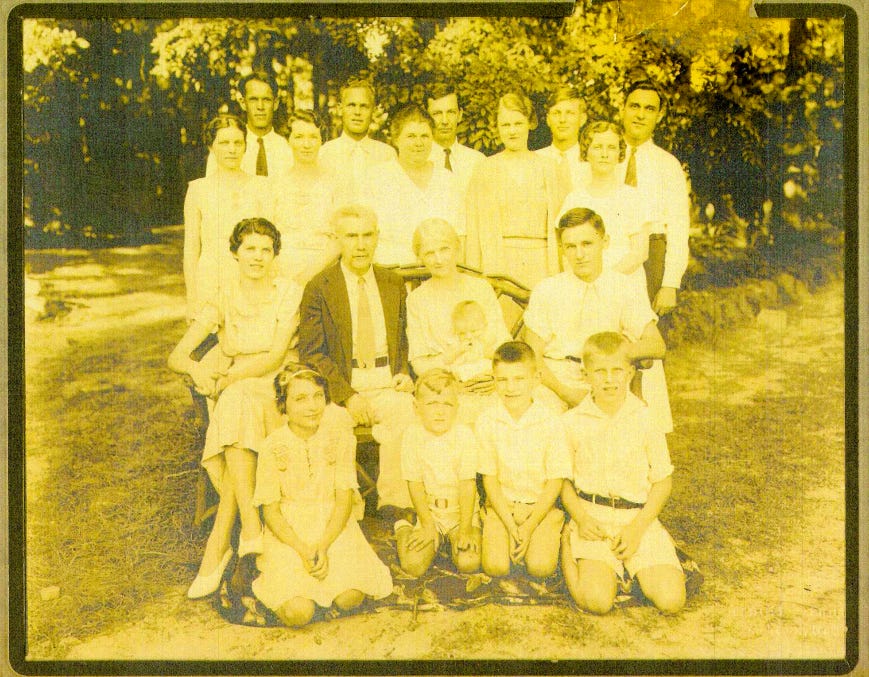
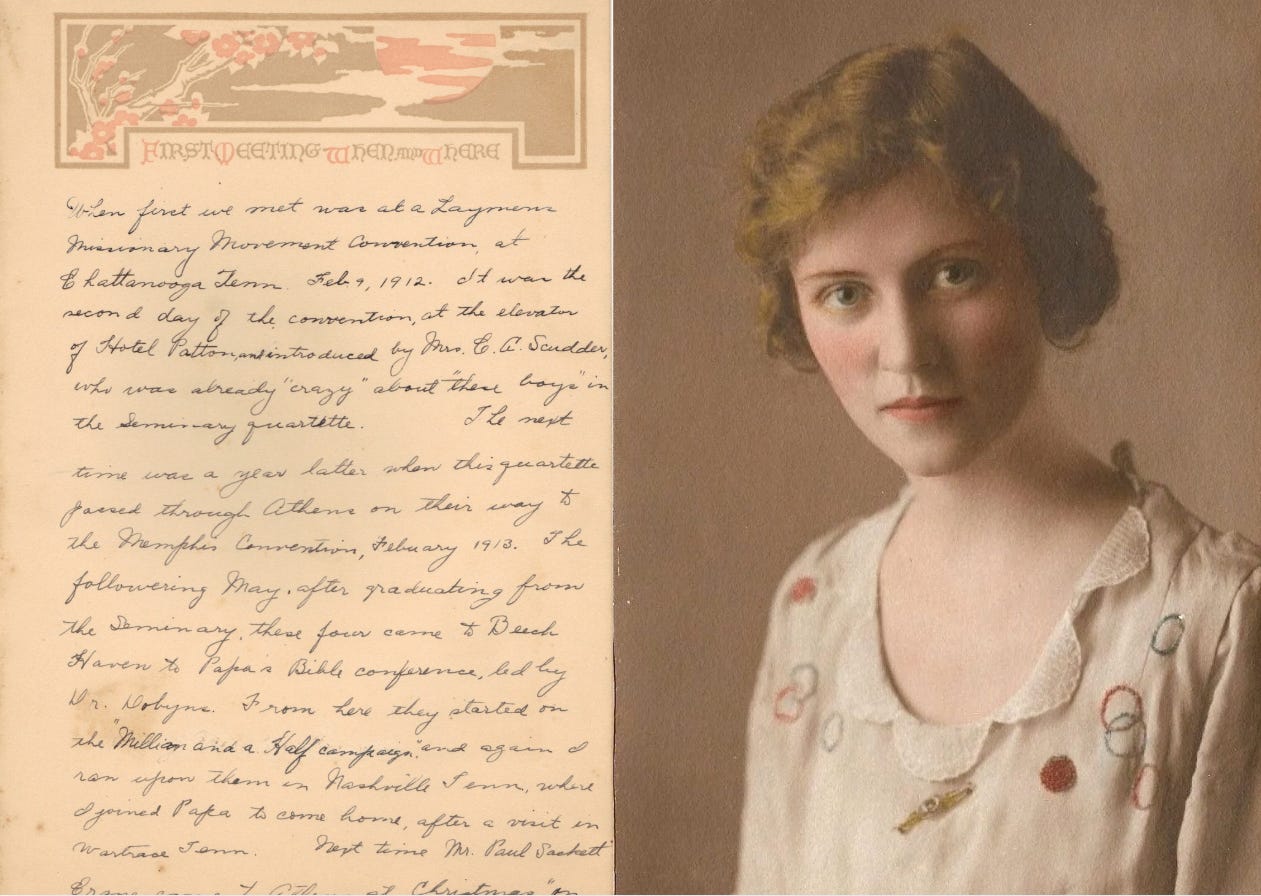
I recently learned the importance of passing memoirs down to future generations while reading my great-grandmother’s, which she wrote during the 1980s. She was born in 1896 and lived to be 101. I’m currently transcribing her “random notes” from a typewritten document and sharing them in a Substack series called Memoirs of a Southern Centenarian. Her life was quite extraordinary.
If a long-lost memory is nagging at you—good, bad, or hilariously exaggerated—here are some tips, apps, and platforms that can help you get your stories down, honestly and without apology. Your friends, family, and future generations will thank you for it.
Tips for Getting Started
Since I’d like to write my own memoirs someday, I did some research. Here are tips from experts about how to get started.
Start small. Write or even voice-record one memory per sitting. Don’t aim for the whole life story—start from your earliest memories and move forward chronologically, or focus on a theme like “growing up” or “lessons from hard times.”
Be honest but kind to yourself. Acknowledge poignant memories, then decide what feels important enough to share.
Use prompts. “What’s a childhood moment I laugh about now but hurt me back then?” or “What story did my family tell over and over?”
Set low-pressure goals. Write for fifteen to thirty minutes a day, three to four days a week. Track progress in a simple notebook or app.
Revise later. Get that first draft down, then edit for truth and flow later.