


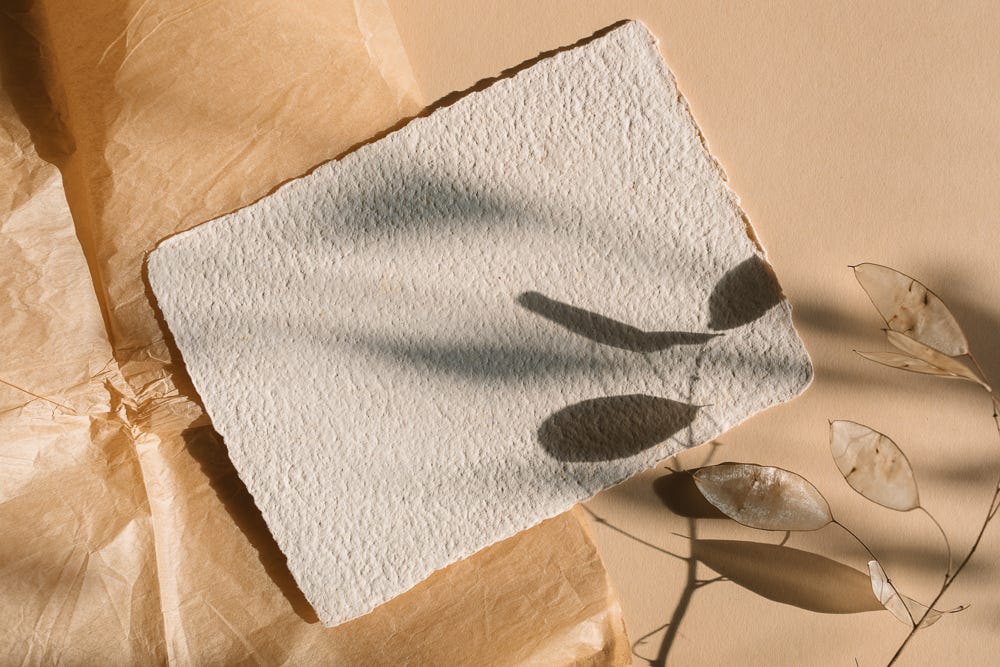
Papermaking is labor-intensive. Wood pulp must be boiled for hours to separate the fibers, then rinsed to remove impurities. During the 1930s, engines of industry born from innovation during the Great Depression transformed papermaking into something vastly different.
In the misty hollows of the rural Southeast, where longleaf pines stretch like sentinels toward the sky, water-powered paper mills once dotted the landscape. Old linen rags and cotton scraps from textile mills provided the highest-quality raw materials for making fine writing papers, banknotes, and archival documents until after the Civil War, when wood pulp began to replace them.
North Carolina’s papermaking industry began in 1777 with John Hulgan’s Orange County mill. There were ten such mills in the Tar Heel State before the Civil War. Of the five that survived it, none outlasted the nineteenth century.
Virginia’s early paper mills faced a similar fate. The Confederate evacuation of Richmond destroyed the Franklin Paper Mill in 1865, and the Fredericksburg Paper Mill ran from 1860 until an accidental fire destroyed it in 1877.
Fires also consumed White and Bicknell Paper Plant in Columbia, South Carolina, the Pioneer Paper Mill near Athens, Georgia, and the Whiteman Paper Mill near Knoxville, Tennessee—all papermaking dynasties of their time.
The Pine Pulp Takeover
During the 1930s, engines of industry born from innovation during the Great Depression transformed papermaking into something vastly different. Some would say it started with Charles Holmes Herty, a Georgia chemist whose groundbreaking work transformed the region’s abundant southern pines into viable paper stock. He adapted chemical pulping processes, leading to the widespread use of the kraft method.
The key was harvesting immature trees, no older than ten to fifteen years, which had lower gum content. This allowed for effective bleaching of the pulp into a crisp white paper suitable for newsprint and other important documents. Herty’s innovation conserved hardwood forests and sparked another mill boom across the South.
My grandfather played a small part in pine pulp papermaking. During the early 1950s he’d instruct my father to climb pine trees and toss the green cones down, which my grandfather would drop into croker sacks for use by Georgia’s state forestry service. As the cones aged, foresters extracted and planted the seedlings to create great pine forests that, once mature, provided acres and acres of pulp.
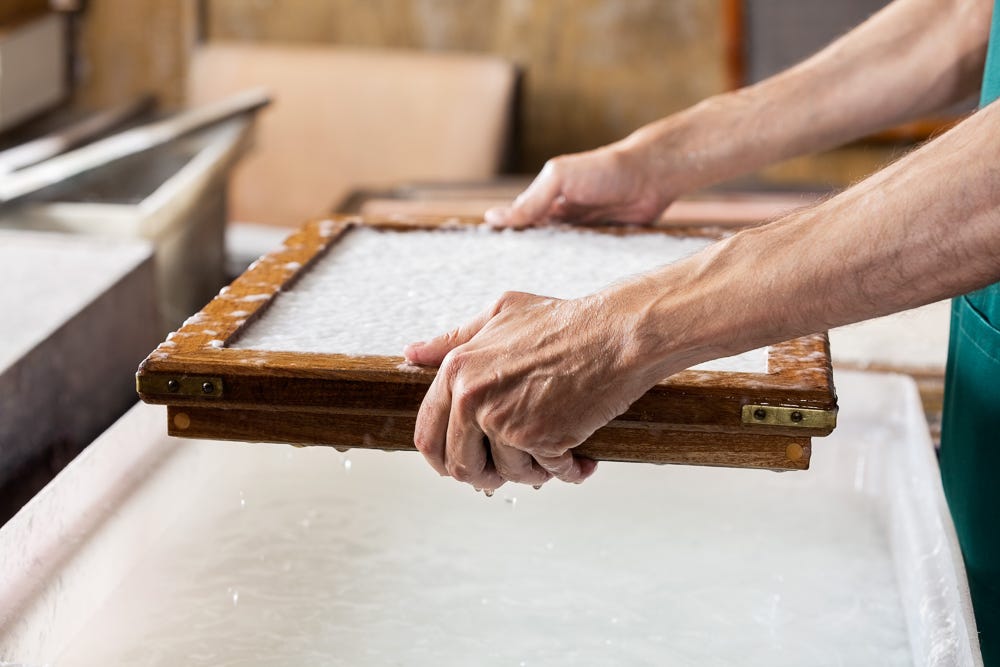
Papermaking is labor-intensive. Wood pulp must be boiled for hours to separate the fibers, then rinsed to remove impurities. Historically, the papermaker would beat it with a wooden mallet until it formed a slurry that was cloudy and fragrant with pine essence. Nowadays, it’s poured or dipped onto a screened mould, then lifted slowly and allowed to drain. The resulting thin mat of fibers is pressed between felts and dried in the sun, displaying a textured golden hue. Modern hand papermakers often use air-drying, restraint drying, or forced air for flatter results.
Digital communication is transforming how newspapers and magazines operate. Still, print and digital products can coexist. Turning the pages of a favorite magazine or novel blends our senses of touch, sight, and smell—something a digital screen can’t do.
Try It Yourself
Papermaking isn’t limited to industrial machines powered by automated technology. Anyone with a passion for the craft can make it the old-fashioned way. Here are some classes across the Southeast that focus on the art of papermaking—or just making art with paper. Some 2026 dates may not be posted, so check the websites later for updates.
