


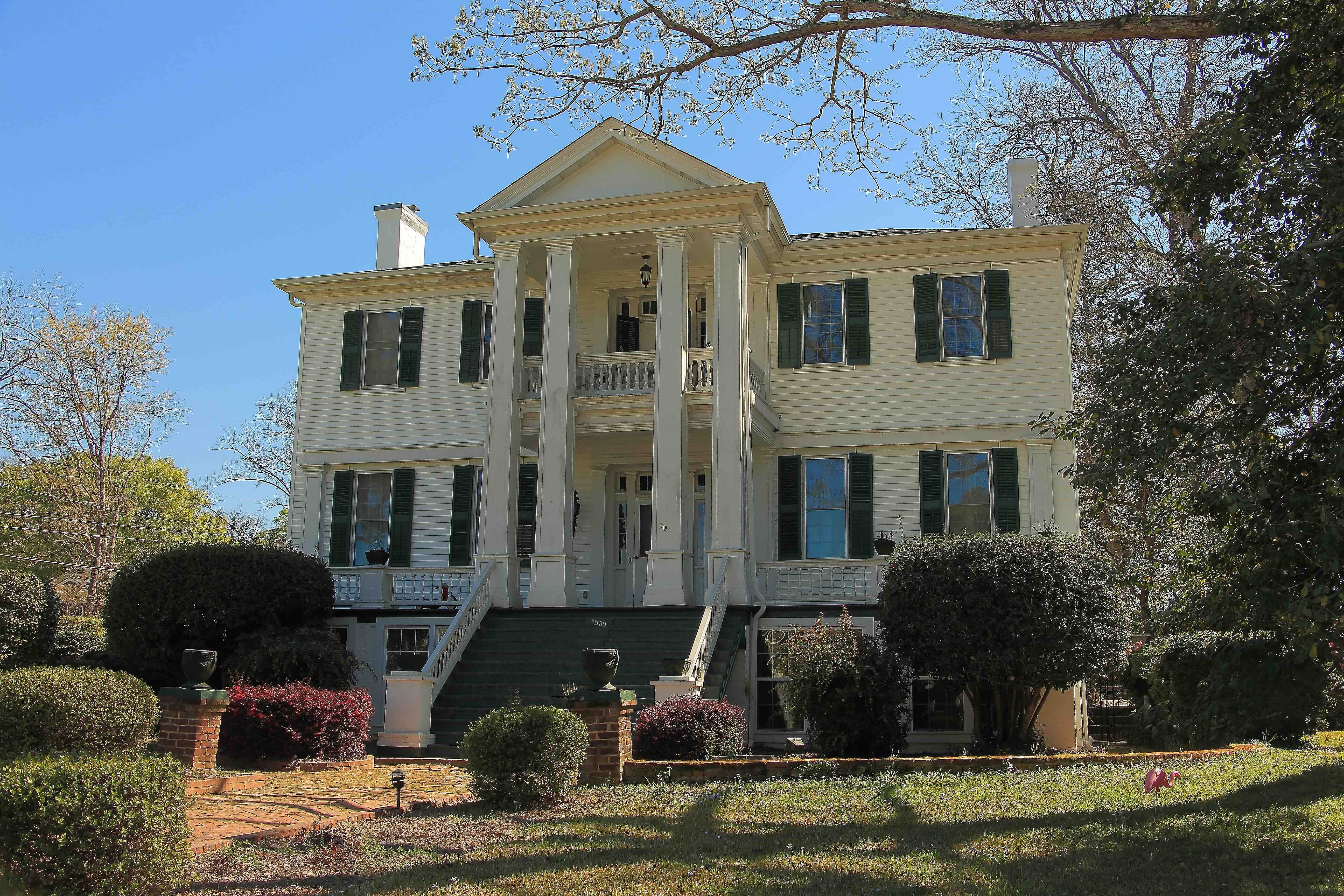
Several of Washington, Georgia’s most historic homes have something unique in common: they were moved in total, or in part, to their current location.
Story and photos by Tom Poland
I’ve been traveling Highway 378/78 to Athens, Georgia, all my life. When I can, I avoid the bypass and drive through the heart of Washington, Georgia, a beautiful town first named in honor of our first president. Living across the Savannah River, on trips to Athens I take my South Carolina friends through Washington so they can marvel at its majestic Southern homes.
“Beaufort, Aiken, and Camden have many fine Southern homes,” I tell them, “but wait until you see Washington, Georgia.” The old homes never disappoint.
This glimpse of the past came about thanks to a feature I wrote. The writing life introduces me to some memorable people. Among them are memories of the late Steve Blackmon. He found me when his daughter, Myra, read my feature, “Remembering Danburg,” in an online journal of Southern culture. She told her father about my story and Steve called me. “Would I speak to his Kiwanis Club?”
I did.
How well I remember my day in Washington, Georgia. I had no clue just how many beautiful and interesting homes Washington has until I spoke to Steve’s Kiwanis Club. Prior to speaking, Steve gave me a tour of seven historic homes that had something unique in common. All had been moved in total or in part to their current location. And moved for good reason.
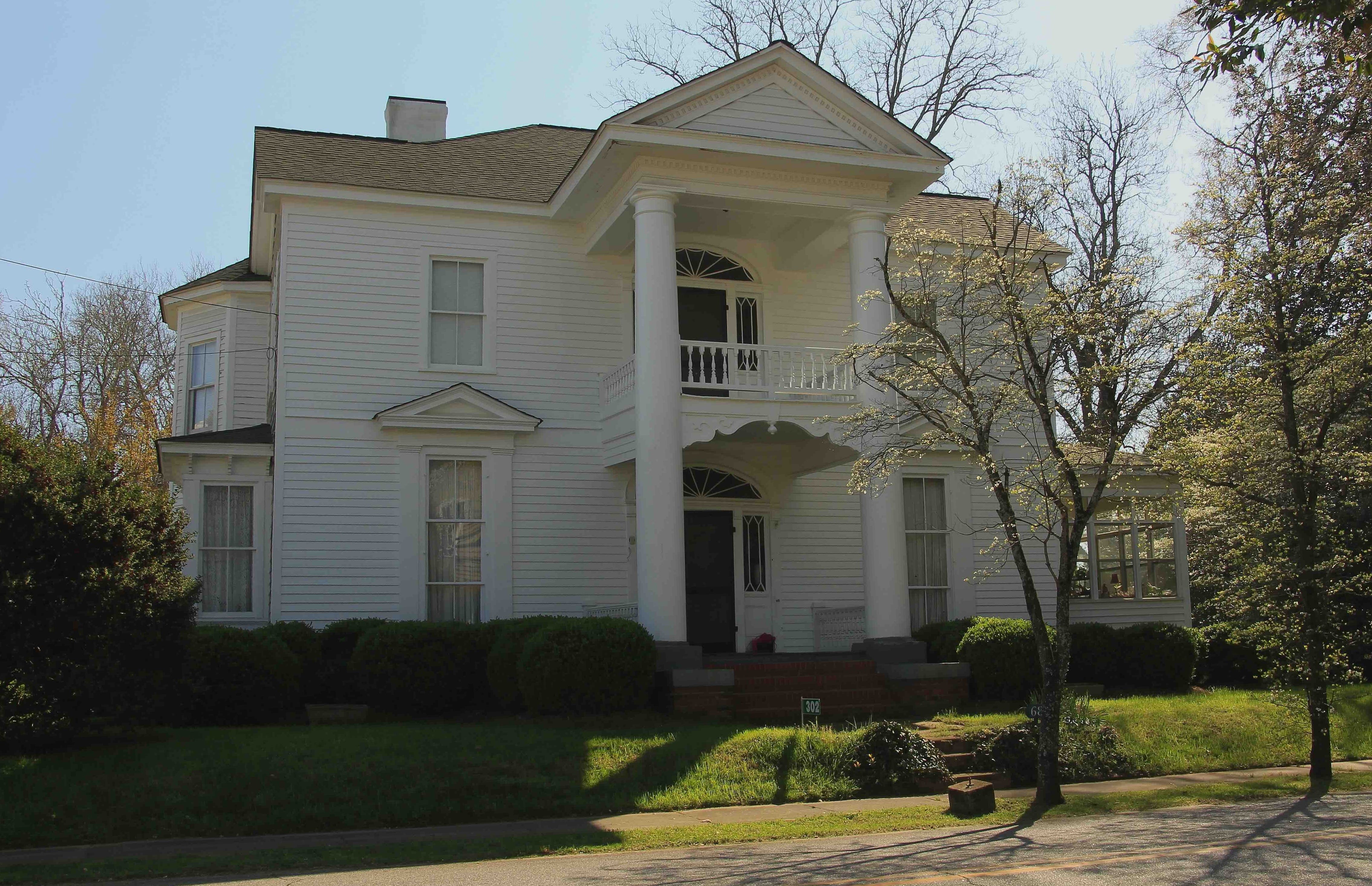
Arriving at Steve’s I met him and his wife, Eleanor. Steve had made a list of eight homes to visit, complete with a timetable an airline scheduler would envy. (One home would be unavailable to us.) I appreciated the tight scheduling. A book event back in Columbia, South Carolina, that evening had me in a squeeze.
Now these mobile homes were not trailers or doublewides as we know them today, mind you. As Steve drove me to homes with names like Holly Court, Hollyhock, Woods Huff’s House, and Colley House, we talked of the old days. Our reflections, combined with Steve’s “mobile” home tour, amounted to a time capsule of a day.
Born Out of Necessity
I was in for a memorable day. Besides the star attractions, I’d see a millstone inlaid among bricks as a walkway centerpiece, a volume of Jericho, The South Beheld, by James Dickey and Hubert Shuptrine. I’d hear a deflating story about a letter Mrs. Jefferson Davis left the wartime owners of Holly Court purloined during a home tour. I’d see Civil War artifacts and vintage oil paintings and remarkable old homes that share a unique heritage born out of necessity.
In the 1800s, the plagues of old age made going to see the doctor too much of a challenge. For others, fashionable excursions such as going into town, say, to enjoy the opera spurred changes. The solution? Well, it was something near impossible to do today.
They moved their home into town.
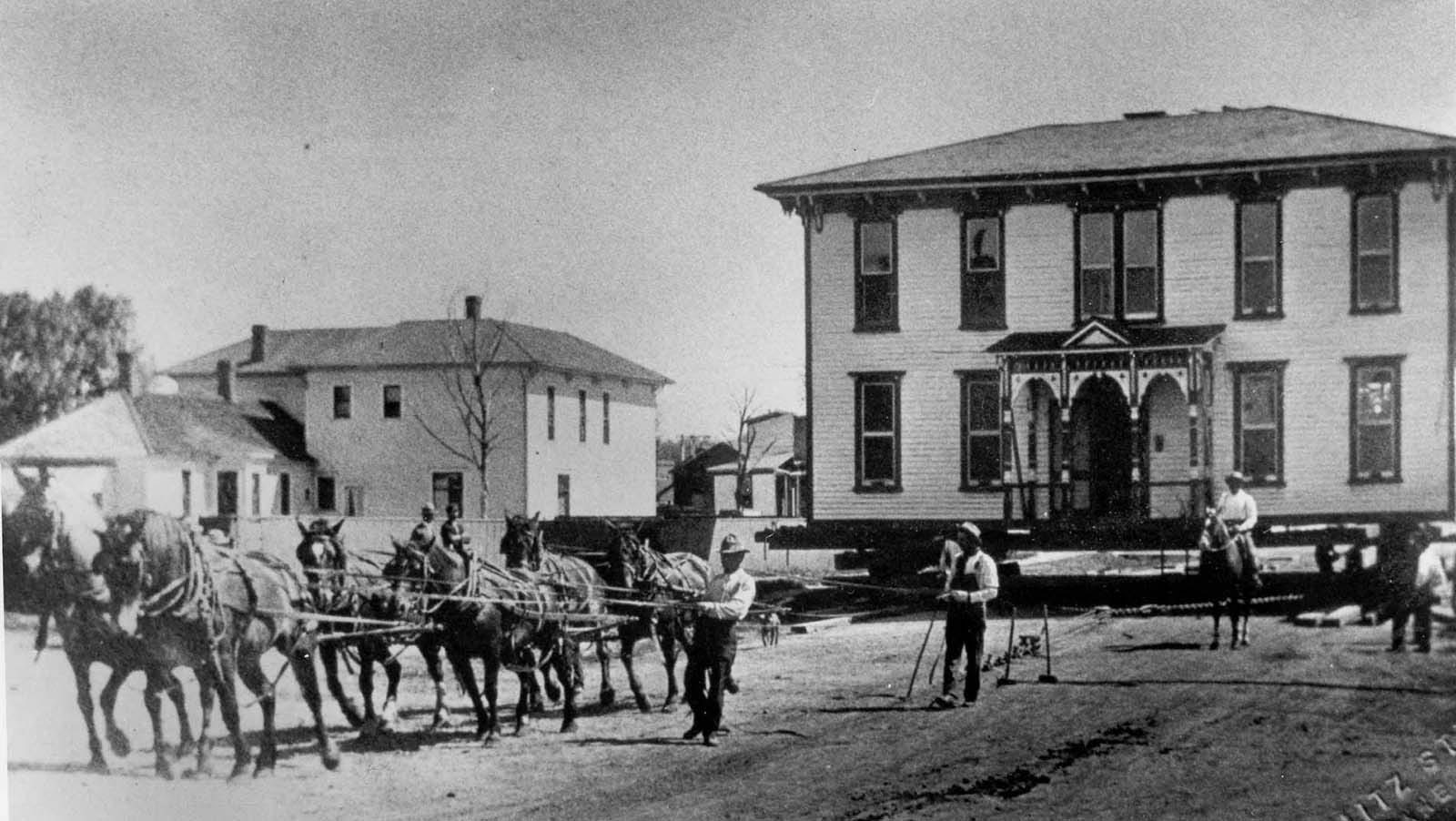
In 1978, a feature in The Christian Science Monitor titled, “The Traveling Homes of Washington, Ga.” found its way into the Washington Post. The feature quoted historian Robert M. “Skeet” Willingham Jr. “In the early 1800s, when boards were hand-hewn and nails were handmade, houses were not simply demolished when no longer needed. They were recycled,” Willingham said.
“Our 19th-century counterparts knew much more about recycling than we do. If a certain home was no longer needed, it was either disassembled and rebuilt in another form or moved as it was to another location,” Willingham said.
According to the feature, Washington’s “prefab” houses were manor houses brought in from nearby plantations as it became fashionable to live in town between 1820 and 1840, a time when local farmers prospered after switching from tobacco to cotton farming.
Slow and Steady
Let’s return to the era when power lines and utility poles didn’t hem in roads. Envision teams of oxen hauling a house down a dirt lane. Not mules, mind you, but oxen. Now mules may have been used but handling them wasn’t always easy with their tendency to bolt. Oxen plodded along, were reliable, and resilient. Moving a house best happens at a slow, steady pace. That would be what oxen do, and best of all, oxen are world-class strong.