


Return with me to that village by the Savannah Valley Railroad. Hear that bell? Hear that whistle? Orange sparks escape billowing black smoke as the locomotive chugs toward the Village. Trailing steam, it’s come to haul off area-grown cotton.
By Tom Poland
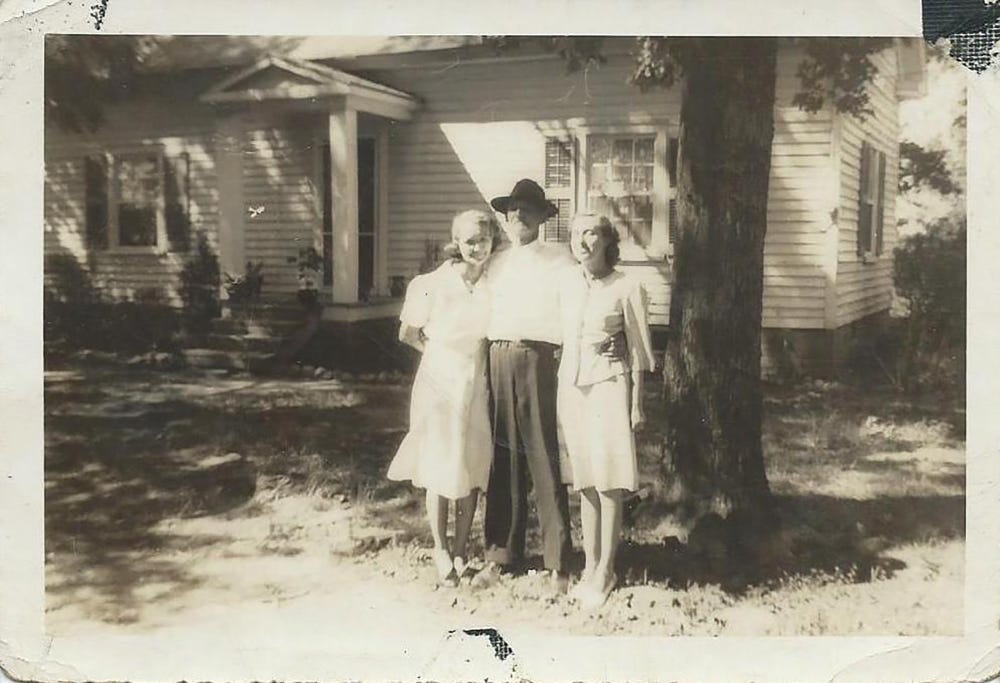
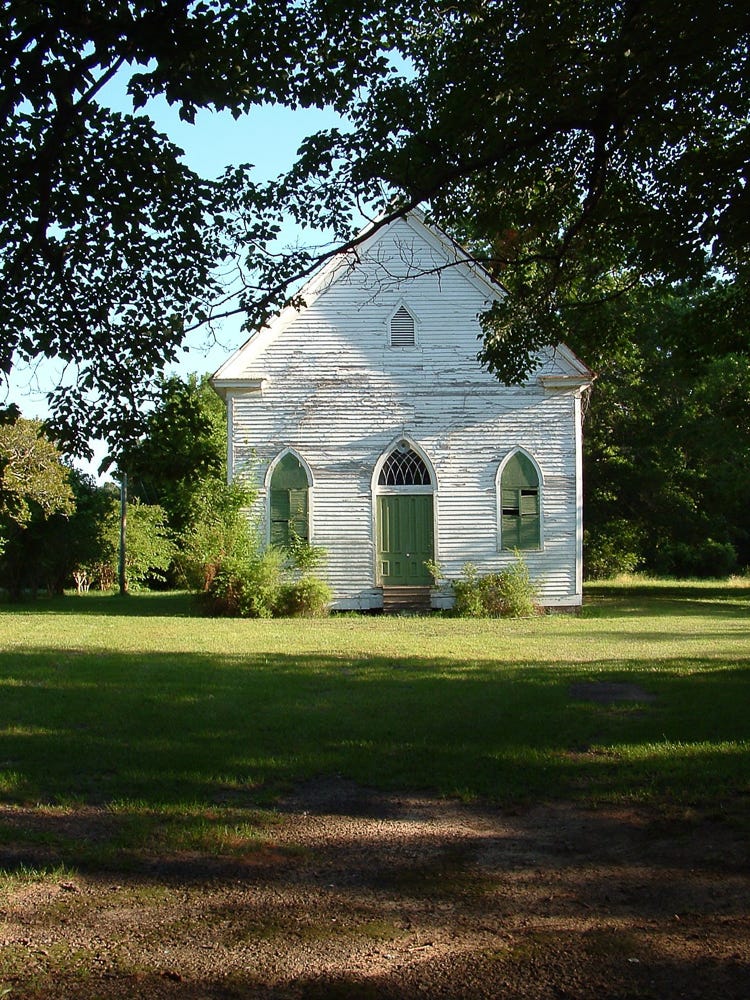
It’s been called the Village of Remembrance with good reason. The old homes and shuttered churches in this late 19th century village will pique your curiosity. Its Classical, Victorian, and Queen Anne architecture evokes grandeur. For that and more, South Carolina Highway 81 lures me back time and again. I drive through the Village and wonder about the people who built such fine homes and stores. I lunch at Mount Carmel Café, then walk the streets identifying homes and businesses with a hand-drawn map. Where, I wonder, is my great-granddad’s old home? I heard it burned. Among my missions? Finding that long-lost home’s site.
Return with me to that village by the Savannah Valley Railroad. Hear that bell? Hear that whistle? Orange sparks escape billowing black smoke as the locomotive chugs toward the Village. Trailing steam, it’s come to haul off area-grown cotton.
Times are booming and women wear heavily decorated dresses, beneath which are corsets and bustles. Men in slim suits and top hats brandish canes, but change is coming. The train will give way to automobiles. After World War I, demand for cotton will drop, and the boll weevil’s 1921 arrival will lay a mighty blow on Mount Carmel. The Great Depression and a big fire will deliver knockout punches. A great migration will take place, and homes, stores, and churches will empty and be shuttered.
The Pull
I go to the Village often, not because my great-grandfather, Thomas Antone Poland, lived there and I seek his homeplace. I go because Mount Carmel offers a beautiful lesson in life. The sun doesn’t shine on the same dog’s backside all the time.
Oh, the sun shined on the Village of Remembrance following the 1886 arrival of the Savannah Valley Railroad. It became a cotton-driven railroad town whose golden years ran from 1885 to 1920. Businesses included five general stores, a pharmacy, a grocery store, two gins, and two blacksmith shops.
On February 23, 1885, a post office opened in Mount Carmel, a day before the Village was chartered. About that time Lodimont Associate Reformed Presbyterian Church moved 2 miles to its present site. It was one of the first churches in the area to be electrified.
From the late 1880s into the early 1900s, structures plain and grand went up. The Frith-McCelvey-Hester House, Mount Carmel Associate Reformed Presbyterian Church, Mount Carmel Presbyterian Church, Hester’s Gin and Grist Mill, Baker-Boyd House, McAllister-White House, Mount Carmel School, J.F. Sutherland House, a tenant house, Conner House, and many others … but why read a list?
See for yourself.
