


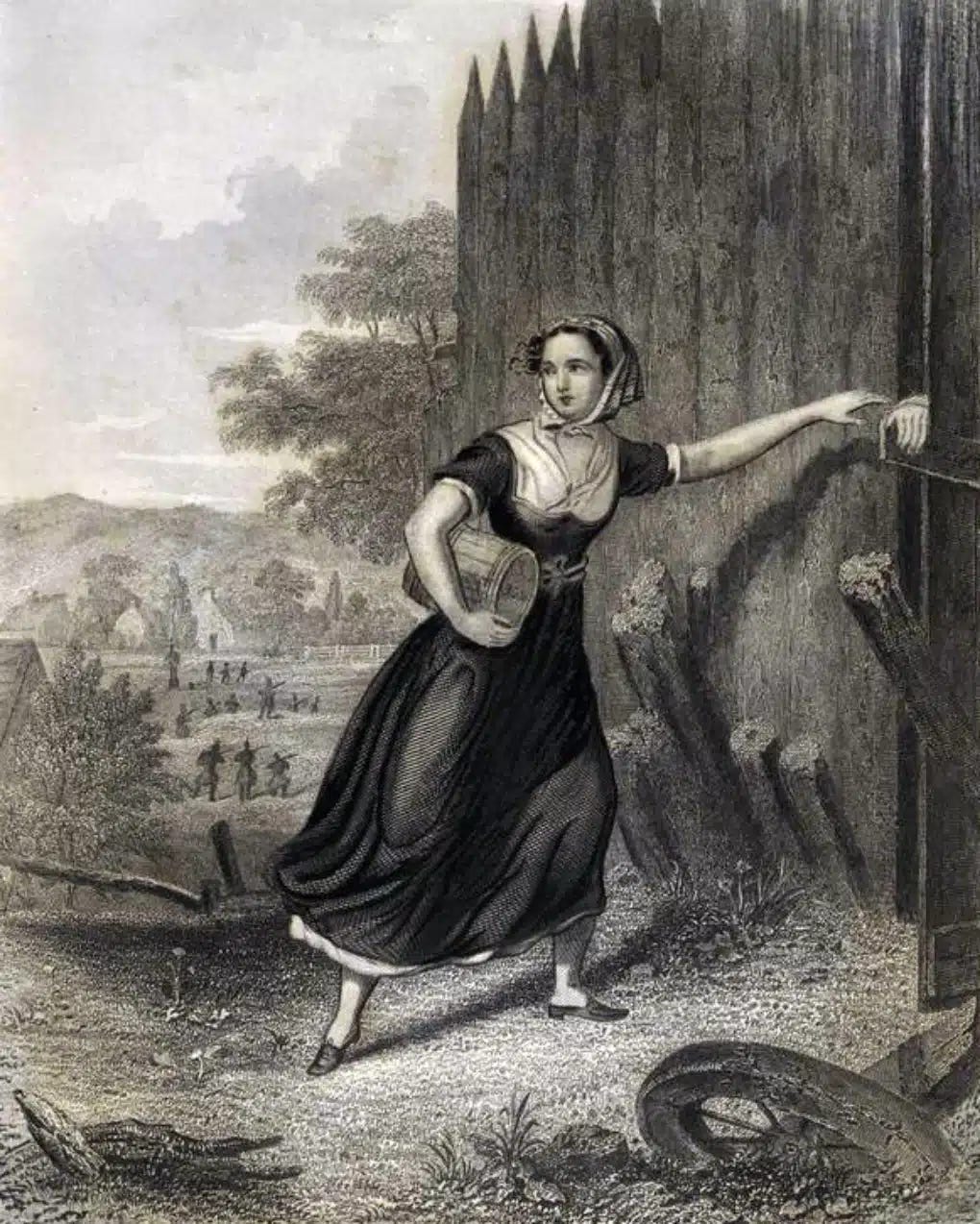
This is the second installment of a five-part series on the covert Southern missions that helped make America’s freedom possible. If you didn’t read Part 1, access it below.

Warrior Women
Women in the Southern colonies didn’t sit passively by observing the Revolutionary War. Embedded in civilian life, they formed informal intelligence and logistical systems, gathering and transmitting important information under conditions of occupation and surveillance.
Three South Carolina women are known for their clandestine courier work in 1781. On January 16, 1781—the night before the Battle of Cowpens—Margaret Catherine “Kate” Moore Barry mounted her horse at Walnut Grove Manor near present-day Spartanburg. She rode all night through South Carolina’s backcountry to warn militia forces of British movements ahead of the Battle of Cowpens.
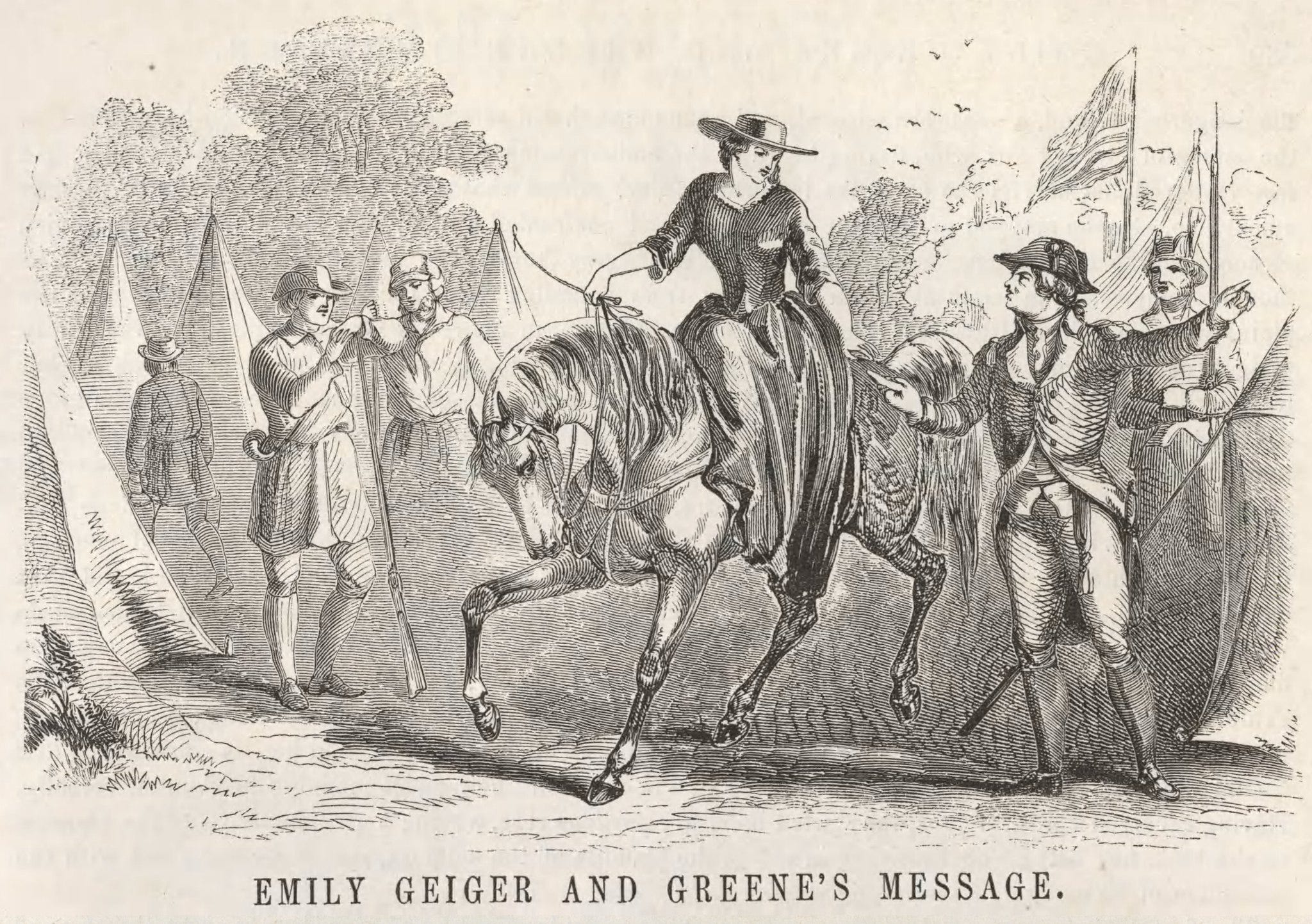
The following June, Emily Geiger rode through the state’s upcountry with an urgent message from Maj. Gen. Nathanael Greene for Brig. Gen. Thomas Sumter. After being intercepted by British forces and taken to Fort Granby for questioning, she memorized the message’s contents, then ate the paper it was written on.
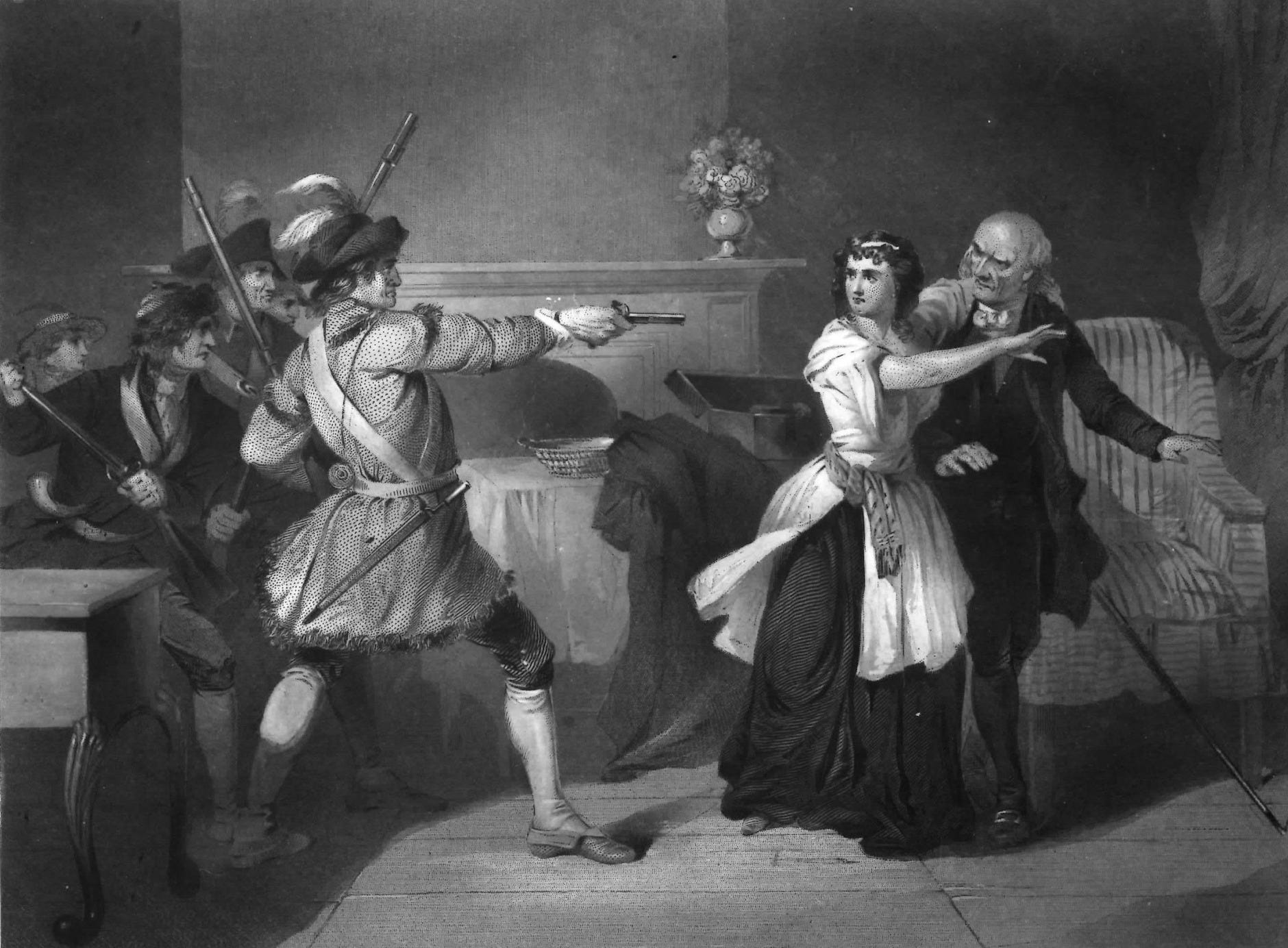
Later that year, Laodicea “Dicey” Langston of the Ninety Six District—now Laurens County—bravely spied on Loyalists near her family’s home and learned that “Bloody Bill” Cunningham’s “Bloody Scouts” planned to attack the settlement where her brother and other Patriots camped. She traveled miles through the backcountry terrain at night—by foot and on horseback—to warn the soldiers in time. They alerted residents and prevented the assault.
Another time, when Loyalists pointed a gun at her disabled father, Dicey stepped boldly in front of him, daring them to shoot. Shaken by her courage, they left without harming anyone.
Other women contributed through direct action and sacrifice. During the May 1781 Siege of Fort Motte in South Carolina, British forces took over the elegant Congaree River plantation home of widowed Patriot Rebecca Brewton Motte to fortify it as a key outpost.
After Gen. Francis Marion and Lt. Col. Henry “Light-Horse Harry” Lee learned of the seizure, they proposed burning the mansion to force a British surrender. In a profound sacrifice for American independence, Motte readily agreed and reportedly supplied the troops with East Indian fire arrows. On May 12, 1781, Patriots ignited the roof and the British soon surrendered. Fortunately, quick-acting Patriots spared the house from total destruction.
Then there was Ann “Nancy” Morgan Hart, a legendary six-foot-tall, redheaded Patriot frontierswoman and spy who was said to have captured or killed British soldiers in her home, prompting Northeast Georgia Cherokee neighbors to nickname her “War Woman.”
