



This is the fourth installment of a five-part series on the covert Southern missions that helped make America’s freedom possible. If you haven’t read Parts 1, 2, and 3, access them below.


Spain’s Southern Campaign
The Southern campaign of the Revolutionary War was not solely Anglo-American. Before Spain entered the war in 1779, Louisiana’s interim governor, Bernardo de Gálvez, smuggled critical supplies like gunpowder, muskets, uniforms, and medicine through the British blockade to Patriot forces via the Mississippi and Ohio Rivers.
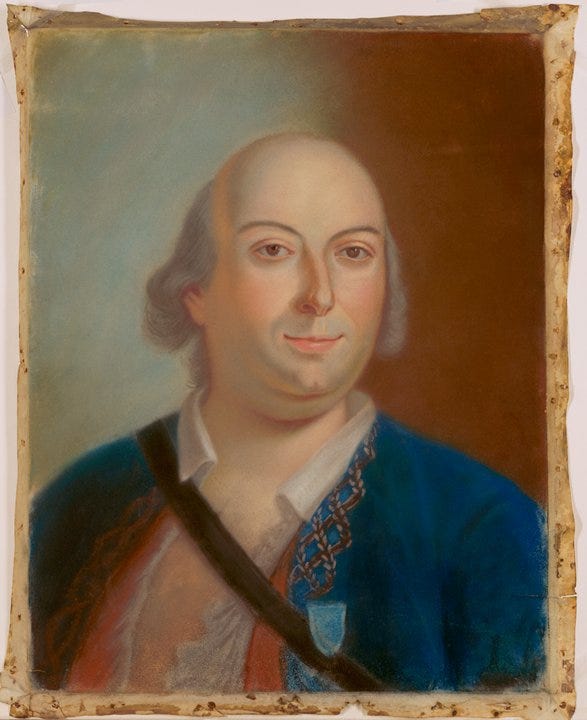
After Spain declared war on Britain, Gálvez captured British ports in Pensacola, Mobile, Biloxi, and Natchez with little around 500 soldiers and two ships. His greatest victory was at Pensacola, where Spanish forces took the city by land and sea. The attack lasted from March 9 to May 10, 1781—greatly reducing the number of British forces and ships that could be sent to Cornwallis at Yorktown, which contributed to his impending surrender.
